Data centre electricity demand to peak at 8.39 GW by 2030, and a data centre bill goes to Cabinet in 2027
Data centre electricity demand in Peninsular Malaysia is projected to hit 8.39 GW by 2030, 4.42 GW in Johor. A data centre bill goes to Cabinet in 2027.
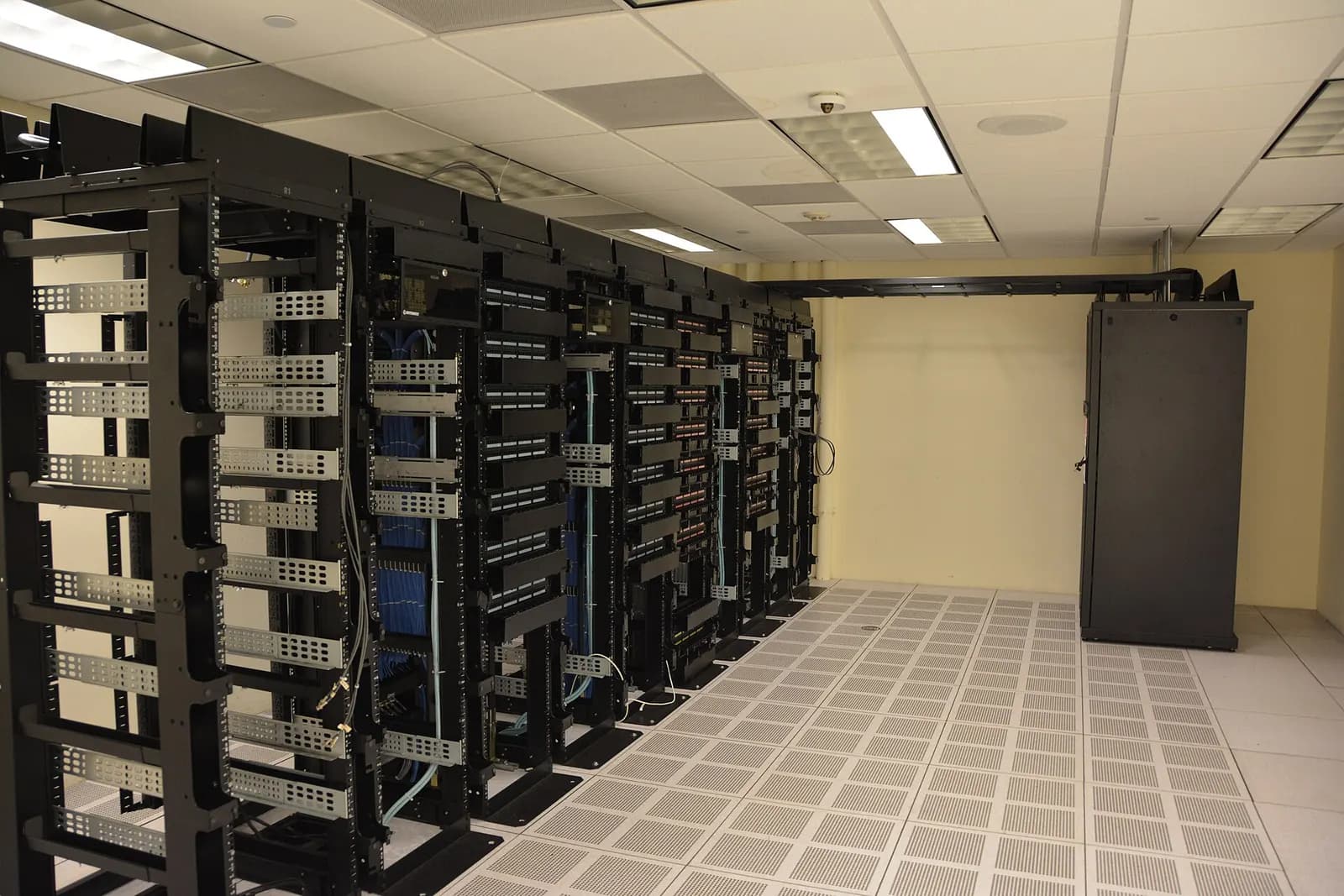
Peak electricity demand from data centres in Peninsular Malaysia is projected to reach 8.39 gigawatts (GW) by 2030, according to the energy transition and water transformation ministry (Petra). The same day, the government said it is drafting a dedicated bill to regulate the industry. Here is what the data centre electricity demand figures say, and what they mean for ordinary users.
The numbers from the parliamentary reply
Petra gave the figure in a parliamentary reply to Onn Abu Bakar (PH-Batu Pahat), who asked about projected electricity and water demand from data centres up to 2030, particularly in Johor and Selangor. Free Malaysia Today (FMT), citing Bernama, reported that the figure is based on current planning estimates.
- Johor: 4.42 GW (4,428 MW), the highest demand.
- Selangor: 1.48 GW (1,481 MW).
- Data centres operating: 45 in Peninsular Malaysia as of August, which is 27 in Selangor and 18 in Johor as of June, with a combined electricity supply capacity of 6.04 GW.
Petra explained that the 6.04 GW is the electricity Tenaga Nasional Bhd supplies through the national grid to run the data centres. It and the 8.39 GW projection measure different things, but together they show the direction of demand.
The ministry said Johor and Selangor are the main hubs for data centre development, so electricity supply infrastructure has to be planned around the expected growth in load.
Water counts too
Projected water demand from data centres in Selangor and Johor is 389.04 million litres per day by 2030. Actual consumption reported to the National Water Services Commission (SPAN) is currently 63.9 million litres per day.
The data centre bill
On the same day, economy minister Akmal Nasir said the government is drafting a Digital Infrastructure (Data Centre) Bill to go to Cabinet next year. He said it will regulate the industry's growth in line with the country's energy and water supply capacity.
Akmal said the bill aims to make sure investments add value to the domestic economy, address utility constraints and avoid imbalances in environmental impact. The proposal is part of a strategic regulatory plan agreed by the National Economic Action Council (MTEN) at a meeting chaired by Prime Minister Anwar Ibrahim, after the digital ministry presented the national strategic direction for sustainable data centre development.
Background
In The Edge's report on 8 September, the Energy Commission said data centres account for 9.28% of total electricity consumption. Its chief executive Siti Safinah Salleh said the warmer weather also pushed up the power used by cooling systems.
The Edge also cited Knight Frank's July report, which put Johor's live data centre capacity at 1,110 MW and its incoming pipeline at 8,542 MW. Deputy Prime Minister Fadillah Yusof told Parliament in July that data centres are expected to use about a third of the country's electricity supply by 2035. The investment, trade and industry ministry (Miti) has said projects will be approved only after energy and water supply capacity is confirmed sufficient.
What it means for you
Data centres run cloud services and artificial intelligence, and the government wants to attract that investment. At the same time, every gigawatt going to data centres has to be supplied by the same grid that serves homes and factories. Petra's reply did not address the effect on consumer electricity tariffs, so that cannot be said yet.
What to watch is the bill, due at Cabinet next year, and whether it sets energy and water conditions for new projects. The government's digital economy push, as described in AI in Budget 2027, sovereign AI cloud, RM30 million via MDEC and a scam-checking app, depends on this supply. Another tech investment story the government is tracking is chip exports, covered in Johari, Malaysia's chip exports still free of US tariffs, EU trade deal targeted for June 2027.
Sources
- Free Malaysia Today (Bernama), Data centre power demand to peak at 8.39 gigawatts by 2030, 19 October 2026
- Free Malaysia Today, Pusat data diunjur guna maksimum elektrik sehingga 8,391MW menjelang 2030, 19 October 2026
- Free Malaysia Today (Bernama), Data centre bill to be drafted for Cabinet next year, says Akmal, 19 October 2026
- The Edge Malaysia, A tenth of Malaysia's electricity consumption is from data centres, says energy regulator, 8 September 2026
The saksama editorial team
Read next
All Current issues stories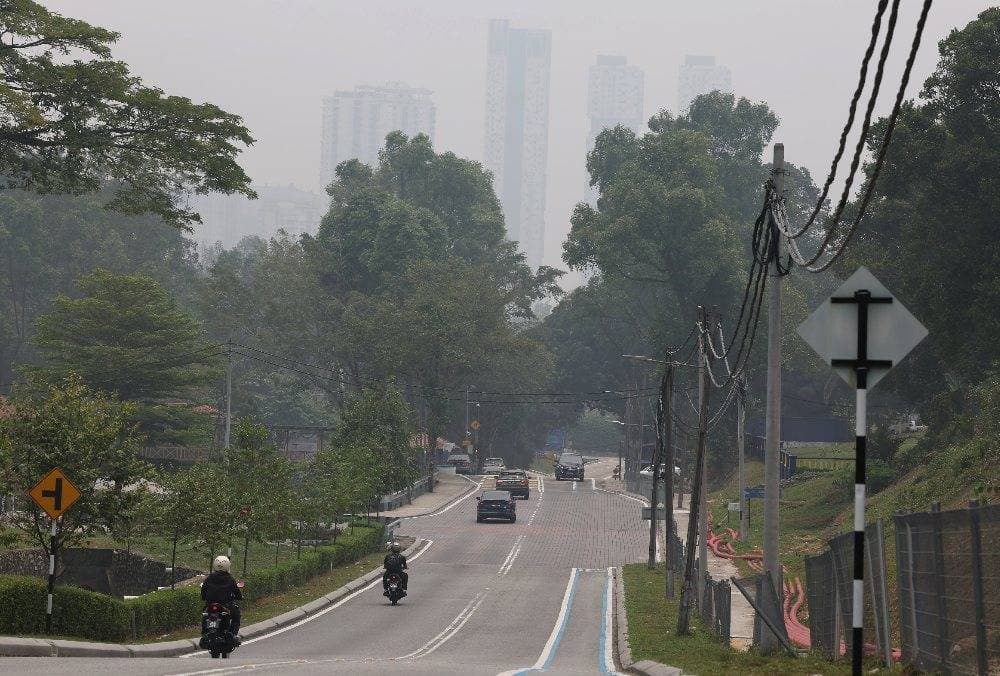
Johor schools closed until 16 October due to haze
Johor schools are closed from 12 to 16 October due to haze, and exams are postponed. The API readings, KPM's closure rules and when closures are announced.
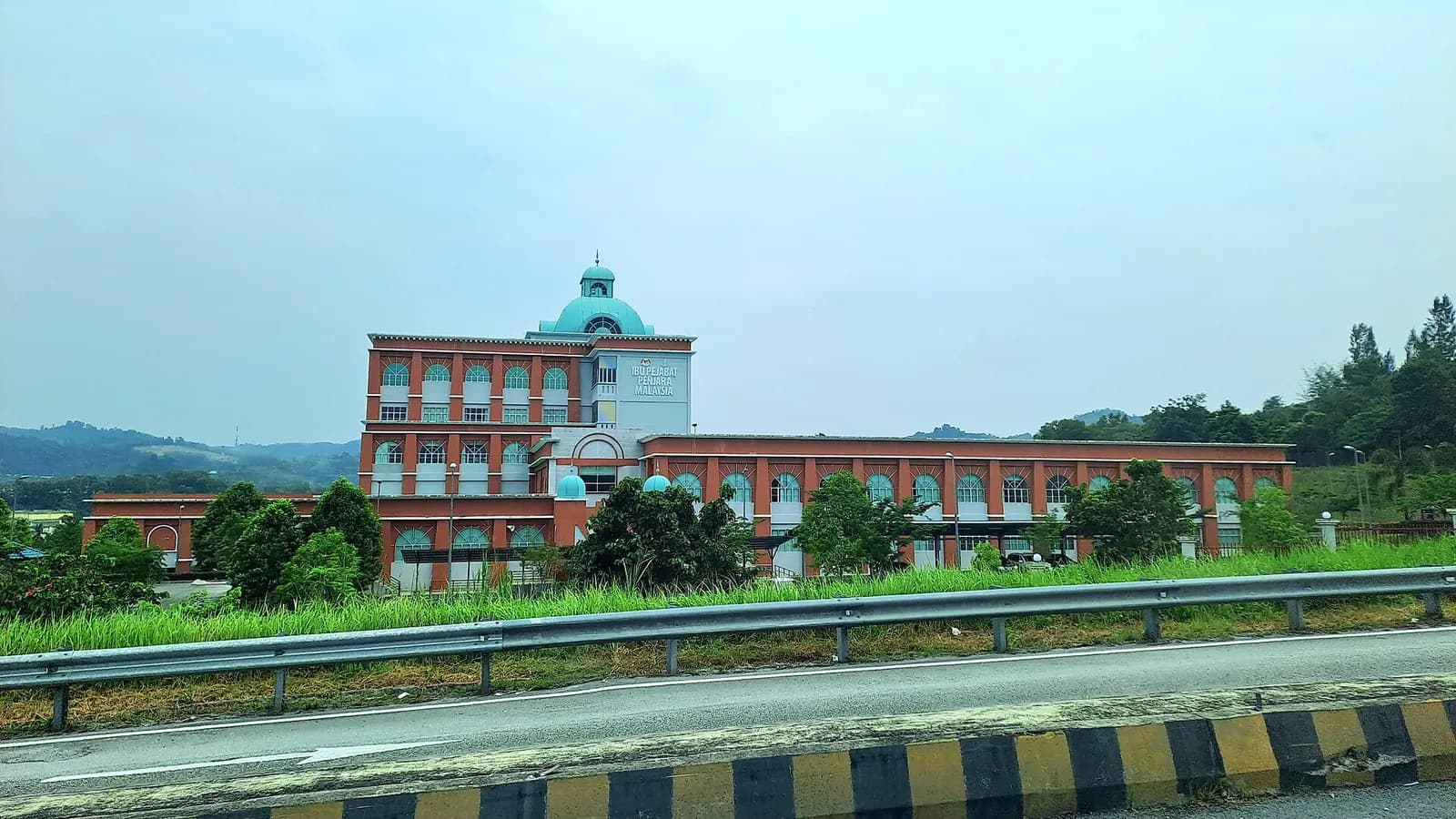
Najib house arrest rules being finalised, but the RM50 million fine is still unpaid
The Prisons Department is finalising Najib's house arrest conditions, but he stays in Kajang Prison as the RM50 million fine is unpaid, Saifuddin says.
Tuanku Muhriz rebukes Negeri Sembilan MB
Tuanku Muhriz publicly rebuked Menteri Besar Ismail Lasim in Kuala Pilah on 16 October. How the Negeri Sembilan crisis got here, and what is unresolved.