202,829 new-generation MyKads issued, and old cards still work for STR
202,829 new-generation MyKads have been issued since 17 September. Holders of old cards need not rush to replace them, the JPN director-general says.
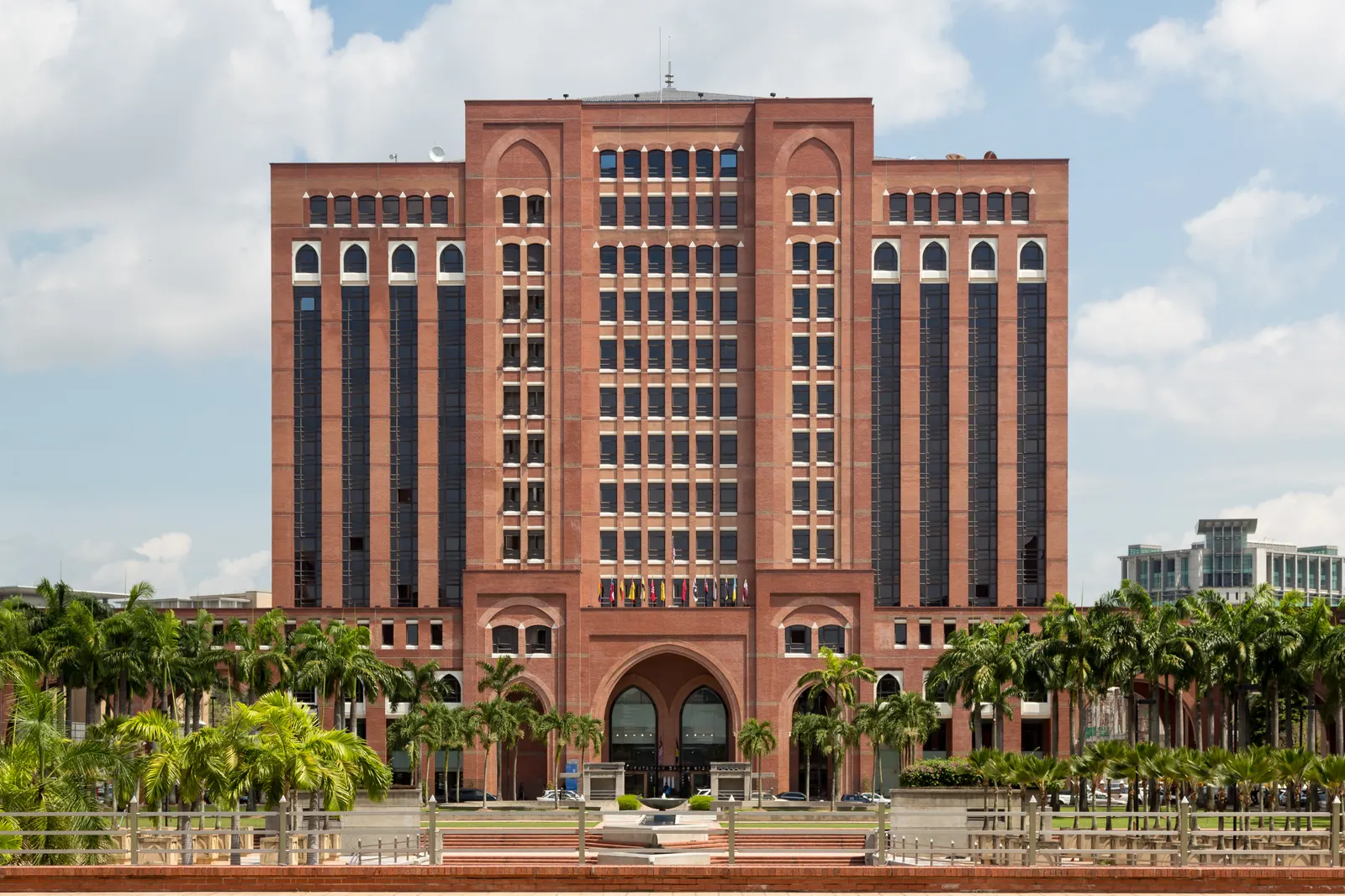
A total of 202,829 new-generation MyKads were issued nationwide from the day they were introduced on 17 September to 11 October, said National Registration Department (JPN) director-general Datuk Badrul Hisham Alias. He also stressed that holders of the old MyKad do not need to rush to replace it, because it can still be used as long as its chip works.
The numbers
According to Astro Awani, Badrul Hisham said records from the Integrated Smart Identity System (SIIS) show issuance rose by 33,483 cards, or about 19.8 per cent, from 169,346 as of 6 October. MyKad applications in September were also 25 per cent higher than in August.
The five states and territories with the highest issuance are Kuala Lumpur (24,006 cards), Johor (21,448), Sarawak (19,069), Selangor (16,959) and Sabah (16,814).
Old cards still valid for STR and BUDI MADANI
Existing MyKad holders do not need to go to JPN to swap cards if theirs is in good condition and the chip is not damaged. Badrul Hisham said the old card can still be used to claim Sumbangan Tunai Rahmah (STR), to refuel and for the BUDI MADANI programme.
More security features
Badrul Hisham said the new MyKad has 53 security features, compared with 23 on the previous version, to strengthen identity security and reduce the risk of forgery and misuse. Malay Mail quoted him as saying they include laser engraving, ultraviolet elements, holograms, guilloche patterns, microtext, QR codes for enforcement and a chip with enhanced encryption.
He also addressed concerns about durability. The new MyKad is still made of polycarbonate, but its technology has been upgraded. Chip failure, he said, is not necessarily caused by a manufacturing defect. It can also come from how a card is handled or stored, such as leaving it in a washing machine, rubbing it with an eraser or exposing it to sunlight. The change in the card's shade of blue is purely a design choice and carries no specific meaning.
Badrul Hisham said JPN has not come across any case of its staff deliberately issuing a valid identity card to an unauthorised person since MyKad was introduced more than 25 years ago. Cards damaged during production are audited by serial number.
Service providers must upgrade card readers
Badrul Hisham asked service providers to upgrade their card-reader systems so electronic identity verification (eKYC) works smoothly with the new MyKad. JPN began talks with service providers in June, but the effort needs their commitment, including financially.
As of 7 October, 69 of the 70 card issuance centres had completed Final Acceptance Testing (FAT) and started operating. The last one, JPN Langkawi district, is due to undergo FAT on 17 October and begin operating the next day if all goes smoothly.
He spoke at a press conference after the Registration Literacy Programme held for the 78th National Registration Day celebration at Kelantan level, in Pos Balar, Gua Musang.
Sources
- Astro Awani, 202,829 keping MyKad Generasi Baharu dikeluarkan dalam tempoh 25 hari, 14 October 2026
- Malay Mail (Bernama), National Registration Dept ensures strict controls in MyKad issuance, no integrity breaches in 25 years, says D-G, 13 October 2026
The saksama editorial team
Read next
All News stories
Saifuddin, marrying a Malay does not change a foreigner's ethnicity or confer Bumiputera status
A foreigner who marries a Malay does not change ethnicity or automatically qualify for Bumiputera status, the Home Minister says. Children can choose.
Johari, Malaysia's chip exports still free of US tariffs, EU trade deal targeted for June 2027
Malaysia's chip exports to the US remain free of tariffs, and Malaysia aims to sign its free trade agreement with the EU by June 2027, Johari says.

Police open two probes into claim a senior MACC officer took RM350,000
Police opened two investigation papers into a claim that a senior MACC officer took a RM350,000 bribe in 2017. MACC closed the case in 2018. What we know.