Ahlan Ahlan Ya Ramadan and the art of remembering the Qur'an
Sameera Hameed's essay on Ink of Faith turns one forgotten surah into four practical lessons for staying close to the Qur'an, before Ramadan and long after it.
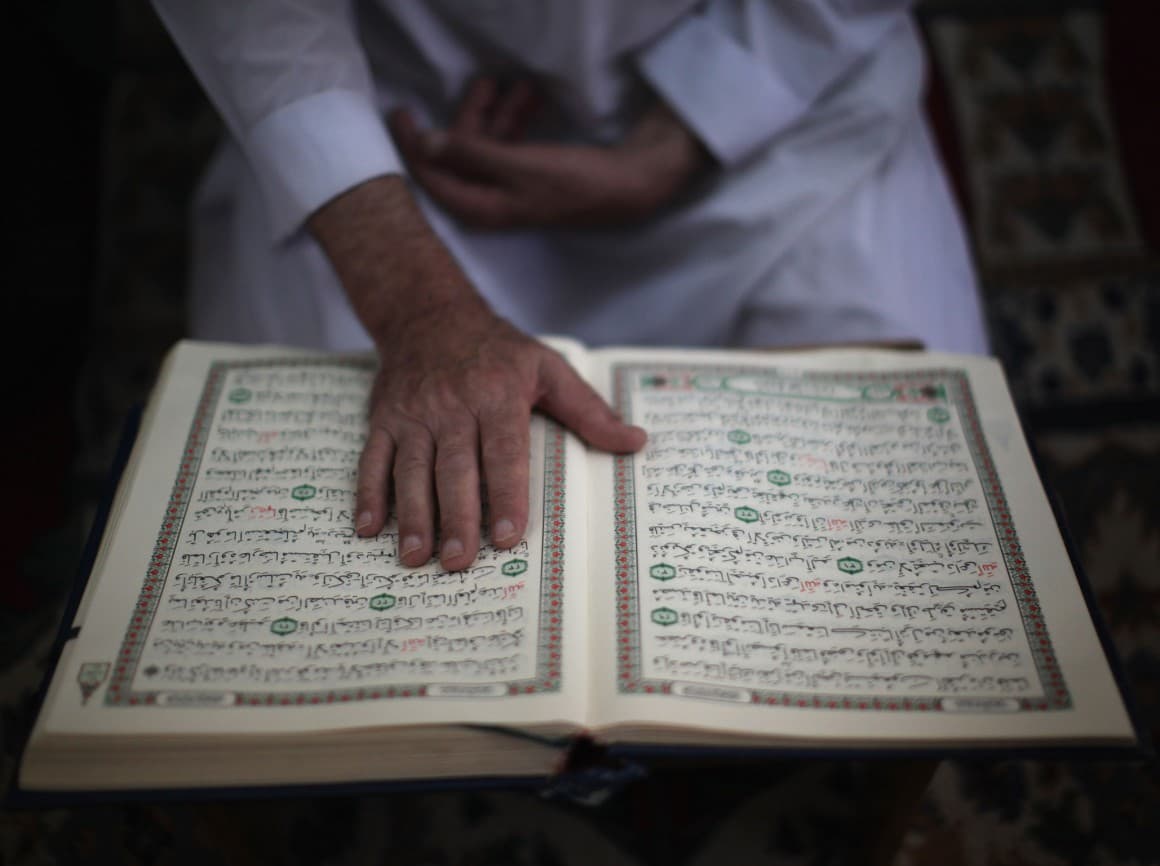
"Ahlan Ahlan Ya Ramadan" is a short, personal essay by Sameera Hameed, published on Ink of Faith on 6 March 2024 as Ramadan approached. It opens with the verse that ties the month to revelation, Surah al-Baqarah, 185, and asks a simple question: how do we renew our connection with the Book of Allah before the blessed guest arrives? Her answer comes from an ordinary afternoon at home, and it is useful in any month of the year.
A surah she thought she had lost
The author describes trying to recite a long surah she had memorised years earlier and then neglected, to the point that she could not recall it in prayer only days before. This time, instead of reading along from the mushaf, she tried to recall it verse by verse. What came back first was not the wording but the scenes: she found herself describing what happens next in the passage, almost like remembering an old film, and the Arabic followed. She reached the end of the surah without looking at the page.
Four lessons she draws from it
Let the Qur'an speak. The author's first point is to slow down and connect with what each verse is saying before moving on: its meaning, its imagery, why one word or one Name of Allah is chosen over another. She suggests keeping notes of these reflections, because they become precious on the days when one's connection feels weak.
A few verses a day. She had originally memorised that surah five verses at a time during Ramadan nights, and she credits that slow, focused pace for how well it returned. Little done well, she argues, lasts longer than much done quickly, and she points to a hadith about Allah loving deeds that are small but consistent.
The Qur'an asks for your attention all day. For her, the relationship is not limited to class time or a fixed slot. She writes that the fear of losing what she has memorised keeps her careful in daily conduct, and that daily contact, even simple recitation, slowly deepens understanding for those who are not specialists in Arabic.
Ask Allah for help. Her final point is the shortest and, by her own account, the most important: nothing is possible without Allah's help, so make dua, and keep making it.
Why it is worth reading now
The essay was written for the days before Ramadan, but its advice fits the months in between, when routines slip and memorisation fades. For readers who feel they are starting from zero, the author's encouragement is direct: pick up the mushaf, keep your intention sincere, and commit to some daily connection with the Qur'an in your own way.
Read Sameera Hameed's full essay at Ink of Faith for her own account and reflections.
Read next
All Reflections stories
How the Qur'an reached English, and where translations went wrong
A rediscovered 2003 study, now translated on Ink of Faith, surveys English renderings of the Qur'an's meanings and argues that many carried the biases of their translators.

Enakmen Rizab Melayu 1913 dan pesawah yang terperangkap dalam kemiskinan
Ahmad Faezal menggunakan AI untuk menghidupkan semula kisah pesawah Melayu tahun 1934, dan berhujah bahawa dasar British memastikan mereka kekal miskin.

Can journaling rewire your brain? One writer's case for daily reflection
A Medium essay argues that a few minutes of reflective writing a day eased the writer's decision fatigue. Here is the method, and what the science behind it does and doesn't say.