How the Qur'an reached English, and where translations went wrong
A rediscovered 2003 study, now translated on Ink of Faith, surveys English renderings of the Qur'an's meanings and argues that many carried the biases of their translators.
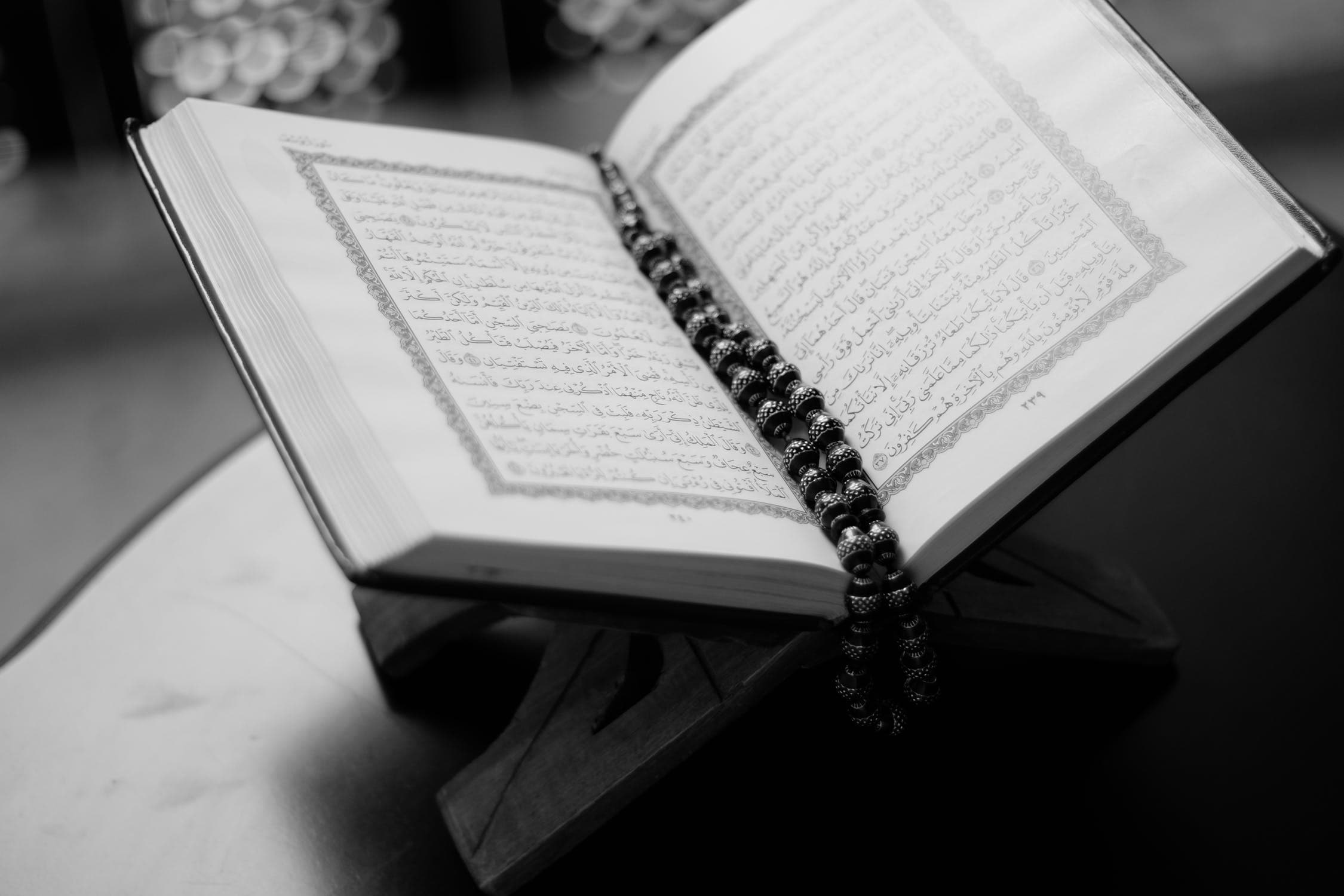
Ink of Faith published this piece on 31 August 2026, shared on the site by Mohammad Zahid. It is an English translation of an Arabic article written in July 2003 by the late Shaykh Dr Shuʿayb al-Nagrāmī al-Azharī for Ṣawt al-Ummah, the scholarly journal of al-Jāmiʿah al-Salafiyyah in Banaras, India. According to the introduction, the original was found in the university's library archives and scanned for the translation. What follows is a summary of the Shaykh's argument as the essay presents it.
How Europe first approached the Qur'an
The essay begins with Europe's early encounter with Islam. In the author's account, Christians who fled the advancing Muslim armies spread a distorted picture of Islam and the Prophet ﷺ, and that picture was taught for centuries. He argues that later orientalist study kept the same aims under a more scholarly surface, and he names three habits he sees in it: a superficial reading of the Qur'an, a departure from the rulings of the Sharīʿah, and strong bias in how Islamic heritage was presented.
The early English translations
The author traces the first European rendering of the meanings to an Italian orientalist, and says the first English version was a literal translation of that work. He then discusses George Sale, whose translation he notes drew on well-known tafsīr works such as al-Ṭabarī, Ibn Kathīr and al-Bayḍāwī, and J. M. Rodwell, whom he criticises for rearranging the surahs into an assumed order of revelation. He also points out that these early translations left out the Arabic text entirely, which he reads as a deliberate attempt to separate readers from the language of the Qur'an.
Translations shaped by sectarian belief
The sharpest part of the essay examines translations produced in the Indian subcontinent. The author argues that a Qādiyānī translation distorted core beliefs, including the raising of ʿĪsā عليه الصلاة والسلام, and that ʿAbdullāh Yūsuf ʿAlī's widely used translation carries esoteric (Bāṭinī) ideas in several footnotes. These are the author's judgements, and he supports them with specific examples from the footnotes.
Sincere work that still needed correction
The essay is warmer toward translators it sees as sincere, including Dr ʿAbd al-Ḥakīm al-Nāmī and Muḥammad Marmaduke Pickthall, whose honesty and effort the author praises. Even so, he lists errors he attributes to an incomplete command of Arabic: in his reading, Pickthall rendered al-hady in Sūrat al-Baqarah, āyah 196, as "gifts" rather than sacrificial animals, and fī biḍʿ sinīn in Sūrat al-Rūm, 30:4, as "within ten years" when biḍʿ means between three and nine. He also objects to describing the Hijrah as a "flight".
His conclusion
The Shaykh closes by calling for English translations that are linguistically precise and faithful to the understanding of the early generations, and he notes his own part in a committee preparing one under the Saudi Presidency of Scientific Research and Iftāʾ. He ends with an appeal for a modern Urdu translation as well.
The full essay, with the author's examples and references, is available at Ink of Faith.
Read next
All Reflections stories
Ahlan Ahlan Ya Ramadan and the art of remembering the Qur'an
Sameera Hameed's essay on Ink of Faith turns one forgotten surah into four practical lessons for staying close to the Qur'an, before Ramadan and long after it.

Enakmen Rizab Melayu 1913 dan pesawah yang terperangkap dalam kemiskinan
Ahmad Faezal menggunakan AI untuk menghidupkan semula kisah pesawah Melayu tahun 1934, dan berhujah bahawa dasar British memastikan mereka kekal miskin.

Can journaling rewire your brain? One writer's case for daily reflection
A Medium essay argues that a few minutes of reflective writing a day eased the writer's decision fatigue. Here is the method, and what the science behind it does and doesn't say.