Haze masks: MOH advises N95, and says three-ply masks give only limited protection
MOH advises N95 masks if you must go outside when the API passes 100. Three-ply masks give only limited protection. Here is the ministry's other advice.
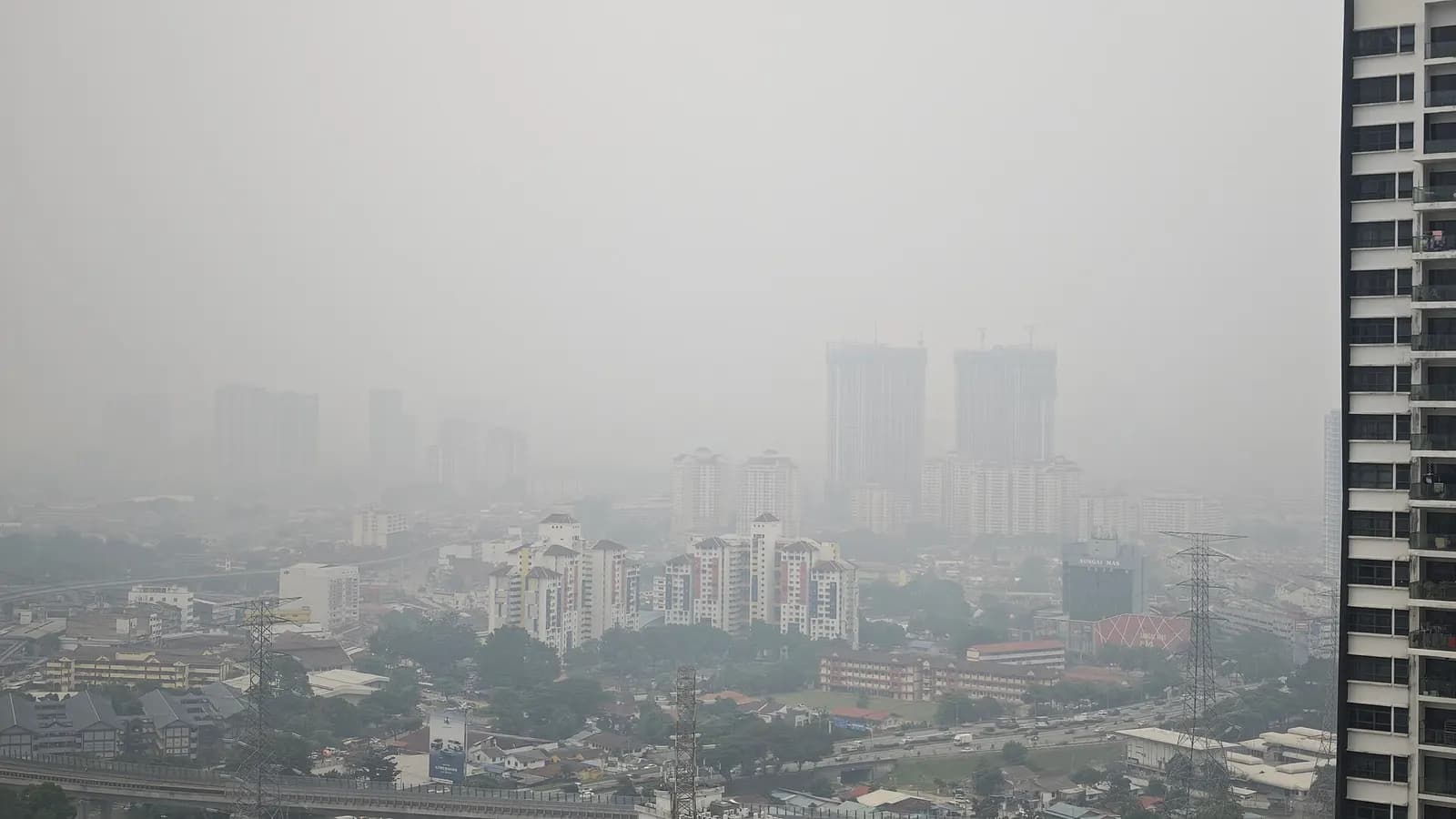
The haze mask the Ministry of Health (MOH) recommends is an N95, and only if you have to be outdoors when the Air Pollutant Index (API) is above 100. The ministry issued the advice on Thursday, 15 October, and readings are still high: at 9am on Friday, Pasir Gudang in Johor recorded 207 (very unhealthy), the highest in the country, with 30 other areas at unhealthy levels, Bernama reported, citing the Department of Environment's APIMS portal. Here is what MOH asks you to do.
N95 first, three-ply as a last resort
MOH said N95 masks are recommended because they filter fine particles of 2.5 microns (PM2.5), which can enter the respiratory system and harm health. If an N95 is not available, a three-ply mask can be considered, but MOH described it as only a "limited additional protection measure".
The ministry also stressed that a mask is not the best protection. According to its statement, the most effective way to reduce the health effects of haze is to avoid outdoor activity when air quality is unhealthy (API 101 to 200).
What else MOH advises
MOH issued a longer list of advice on 10 October, reported by Harian Metro. It includes:
- Avoid or postpone outdoor activity, especially for children, older people and anyone with lung or heart disease. Pregnant women are also listed as more vulnerable.
- Limit time outdoors and avoid strenuous exercise, including sport and recreation, because it raises your breathing rate and the amount of polluted air you take in.
- Keep windows closed so less haze gets indoors, and do not smoke inside.
- People with asthma, lung disease or heart disease should take their medicine regularly.
- Seek treatment promptly for shortness of breath, a worsening cough or difficulty breathing.
- Slow down or stop somewhere safe if visibility is poor when driving.
- Check API readings regularly through the Department of Environment's official channels.
Why it matters now
MOH said 35 monitoring stations recorded unhealthy API readings at 2pm on Thursday, across nine states and two Federal Territories. Johor had the most (eight areas), followed by Selangor (six) and Perak and Pahang (four each). No area was at the very unhealthy or hazardous level at that time.
In its 10 October statement, MOH reported that respiratory infection cases rose 10.4 per cent, from 3,509 to 3,875, between Epidemiological Weeks 39 and 40. Conjunctivitis cases rose 26.47 per cent, from 102 to 129, while asthma cases fell 13.64 per cent, from 535 to 462. The data comes from 78 selected health facilities. We have not found figures for the weeks since.
What happens next
MOH said it will keep monitoring the haze and its effect on health, and will make sure health facilities, medicine supplies and staff stay ready. More information is on the MOH haze page.
For parents, the school closure rules and API thresholds are explained in School closures in haze, KPM goes back to the API 200 rule, what applies now. Today's closures are in Schools in eight Selangor districts close on Friday 16 October because of haze, UASA postponed. The first API rules, announced on 8 October, are covered in Haze shuts schools in four states, KL and Putrajaya. Here are the new API rules.
Sources
- Bernama, Jerebu: KKM Saran Kurangkan Aktiviti Luar, Pakai Pelitup Muka, 15 October 2026
- Media Selangor, Jerebu: KKM saran pakai pelitup muka, kurangkan aktiviti luar, 15 October 2026
- Harian Metro, Kes penyakit berkaitan jerebu catat peningkatan, 10 October 2026
- Malay Mail (Bernama), Johor's Pasir Gudang records API 207, highest nationwide as 30 areas hit unhealthy levels, 16 October 2026
The saksama editorial team
Read next
All Current issues storiesSchool closures in haze, KPM goes back to the API 200 rule, what applies now
KPM is back to the National Haze Action Plan: schools close when the API exceeds 200, outdoor activities stop above 100. What applies to your child today.
Johor schools closed until 16 October due to haze
Johor schools are closed from 12 to 16 October due to haze, and exams are postponed. The API readings, KPM's closure rules and when closures are announced.
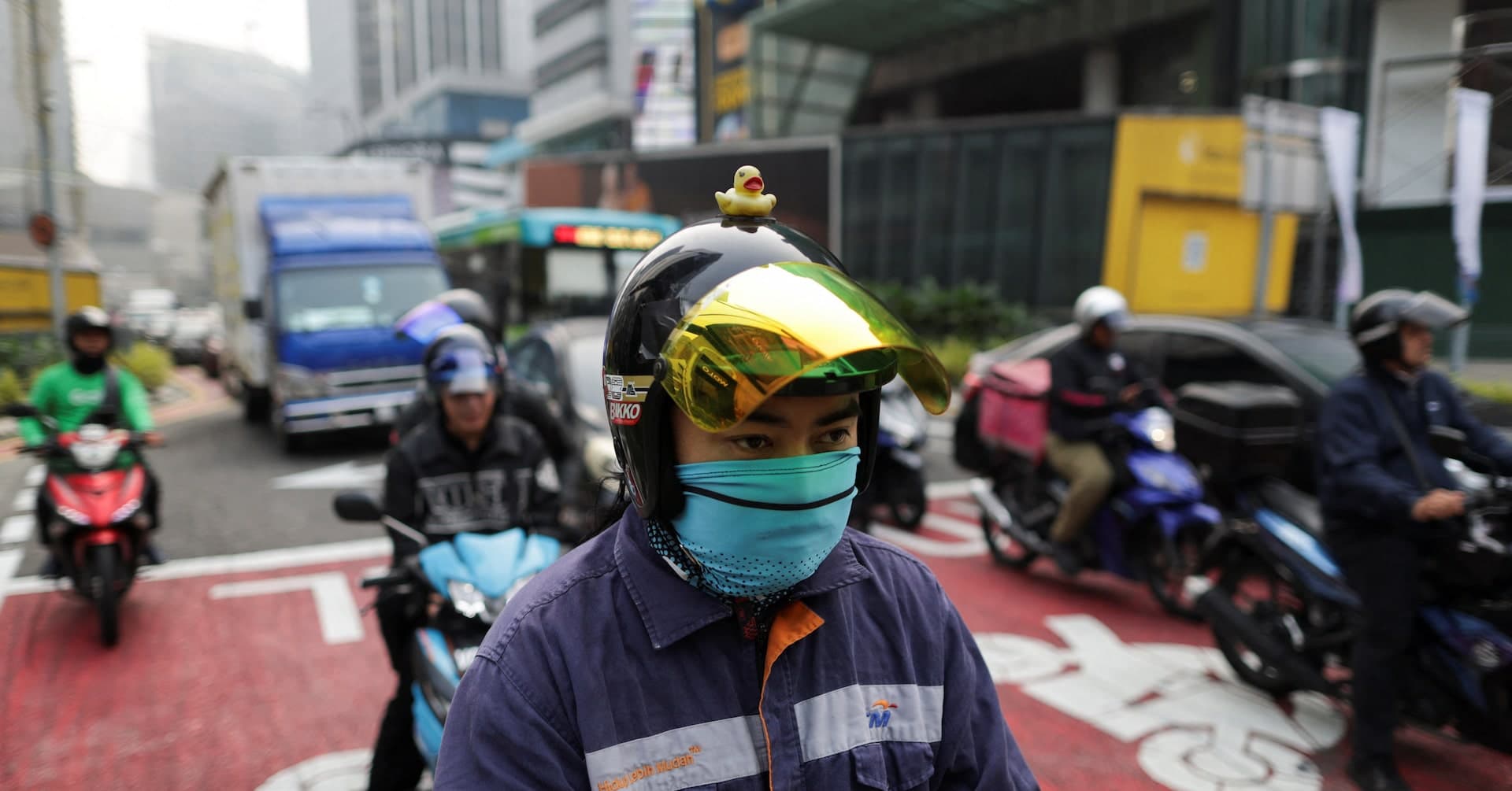
Haze shuts schools in four states, KL and Putrajaya. Here are the new API rules
Schools in Johor, Melaka, Negeri Sembilan, Selangor, KL, Putrajaya and Rompin closed on Friday. KPM now closes schools when the API goes above 180.